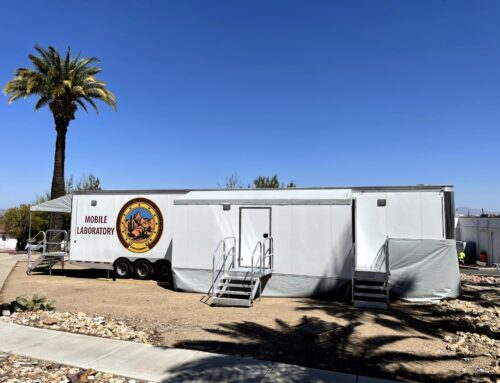
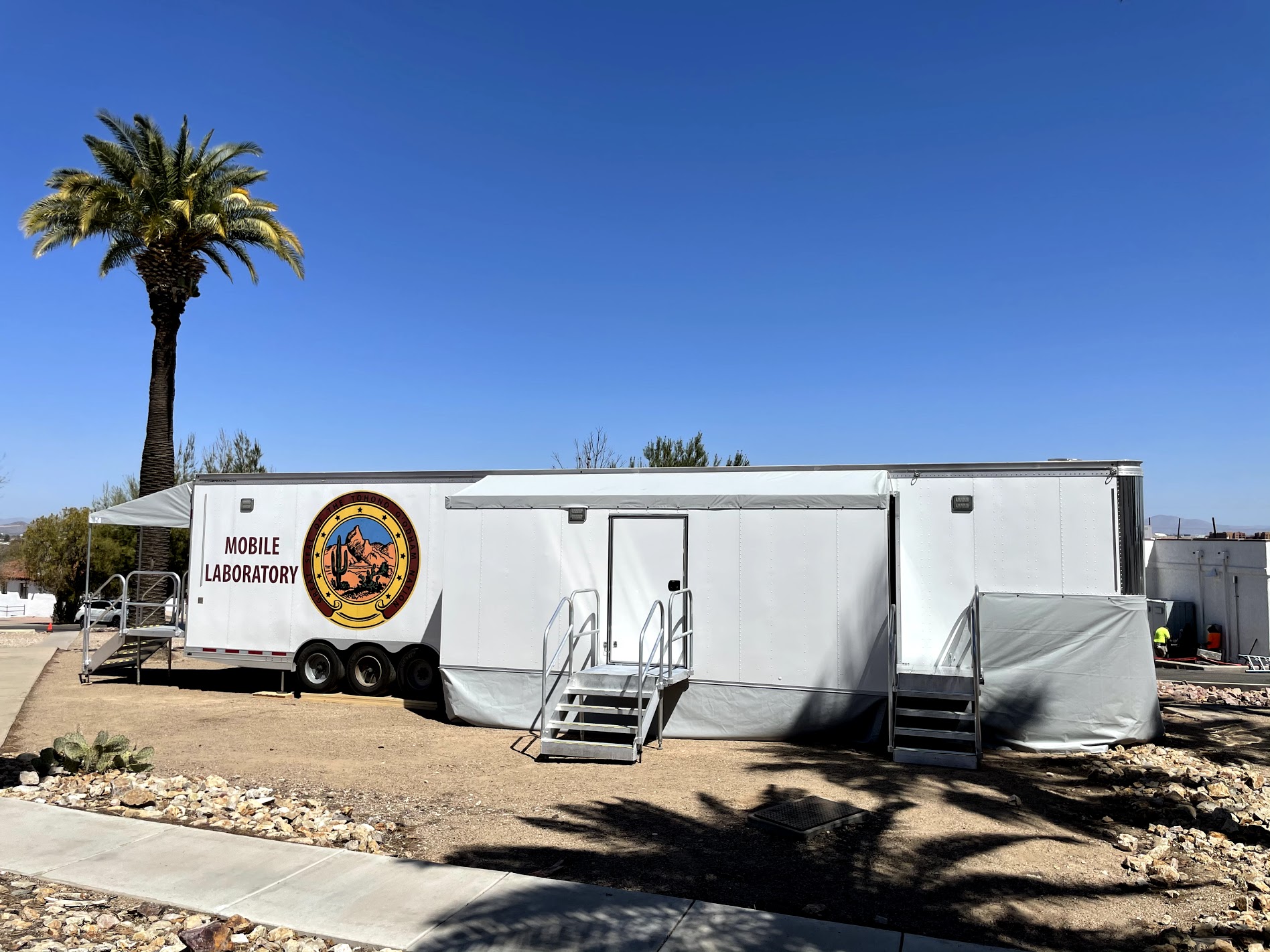
There is a global trend of indigenous people and tribes suffering from poor health. It is important that these individuals receive quality healthcare, and mobile healthcare facilities pose a key solution to this problem. The facilities have the potential to reach underserved populations of tribal people and meet their needs.
For tribal communities, this mobile alternative to a healthcare facility can drive massive impacts. These areas can be far from their nearest health provider due to remote location or inadequate infrastructure. Tribal mobile healthcare units have shown to be beneficial because of their innovative model, quality care, prevention methods, and improved access to care. One important component to consider is that many of these patients live in remote areas where access to a brick-and-mortar facility may be inaccessible or inconvenient. This could discourage patients from seeking care. However, mobile facilities can give them the opportunity to receive care exactly where they need it.
One example of a tribe that faced similar issues was our client, Fort Peck Tribes. Composed of both the Assiniboine and Sioux tribes, The Fort Peck Tribes in Eastern Montana live on a very large reservation with many remote locations throughout. To provide healthcare outreach, they decided to implement a mobile medical clinic from Mobile Healthcare Facilities (MHCFAC) using funding from the Federal Emergency Management Agency (FEMA). This clinic allowed for easy travel across the reservation to provide treatment and preventative care to remote patients.
Mobile healthcare units can play a major role in providing healthcare that is accessible and realistic for tribal patients.