Why are mobile healthcare units important for disaster recovery?
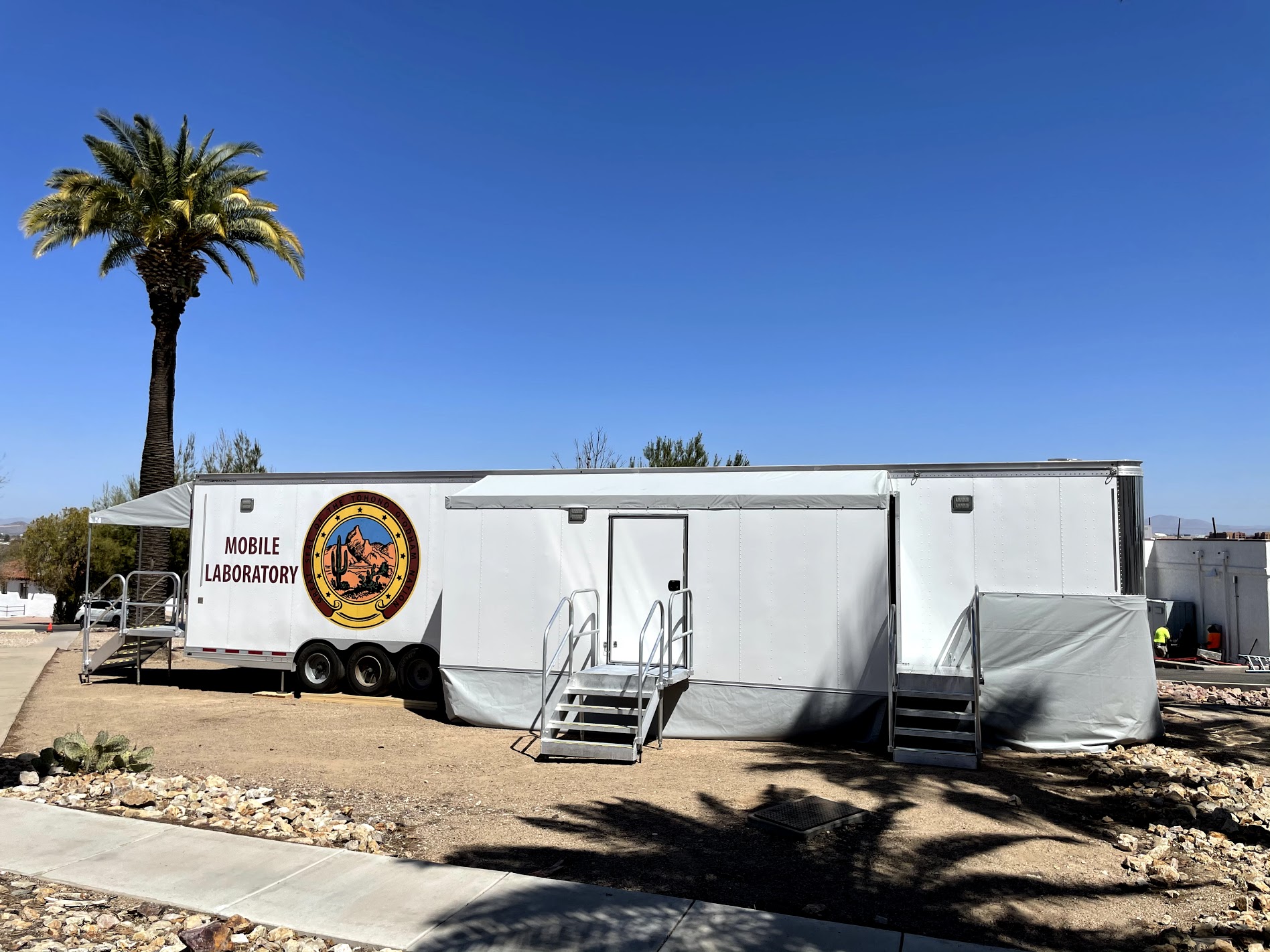
Mobile healthcare facilities provide a unique solution that can protect individuals susceptible to disasters. Not only are natural disasters difficult to predict, they also often require immediate or highly urgent care. In times of disaster, the distance between the victims and their nearest healthcare facility can mean the difference between life and death, which is why mobile healthcare is so important, as it brings essential care directly to communities who need it.
Disaster Recovery in Rural Communities
Rural populations are especially susceptible to challenges when recovering from disasters. Cambridge University researchers found that insufficient public health infrastructure majorly hinders rural communities during disaster response and recovery. Furthermore, the researchers suggested that “in the face of the disaster rescue with a complex natural environment and a large number of casualties, different forms of mobile hospitals should be adopted according to the needs to carry out a rescue at the disaster site.” Mobile hospitals can help to mitigate issues caused by insufficient local hospitals by providing quality services close to those suffering, even in highly remote areas.
The Cost Difference of Mobile Medical Units
Another benefit to mobile hospitals is their significant price difference compared to the cost of building a new brick-and-mortar facility. The analysis of the Emergency Events Database (EM-DAT) found that “low-income nations experience more than three times as many fatalities from disasters as high-income countries do. Though lower-income nations had 44% of the disasters, they suffered 68% of the fatalities, compared to higher-income countries’ 56% of disasters and 32% of fatalities”. Mobile Healthcare Facilities recognizes that affordability is a major factor to take into consideration during these situations and keeps reasonable pricing in mind with each one of our facilities.
Customizing Mobile Units to Specific Needs
One example of mobile healthcare units being used for disaster recovery was during Hurricane Katrina. A Project Muse study found that the units that were used for Hurricane Katrina recovery brought a wide range of healthcare services to patients’ doorsteps, identified individuals who were isolated or in need, and “served for a long period of time as a substitute until permanent clinics were up and running”. In comparison, our mobile units operate with highly similar goals to the ones used during Katrina. We aim to achieve results personalized to each of our clients’ needs, ensuring that you are protected and supported for disaster prevention, recovery, and beyond, with the option for mobile units to even be used permanently if desired.
How has Mobile Healthcare Facilities, LLC helped in disaster response situations?
Mobile Healthcare Facilities have been used for emergency response situations including COVID-19 response (Kaiser Permanente, Gila River Healthcare, USAID/Timor Leste, and TDEM), natural disaster relief (St. Croix/FEMA, TDEM, and Walmart Pharmacy), arson (Walmart Pharmacy), and more.
Disasters can happen anywhere and anytime, so preparation is a great choice for any community, especially in locations with low accessibility to quality care. Whatever your needs, when it comes to disaster relief, you can guarantee that Mobile Healthcare Facilities has your community’s best interests in mind, bringing your idea for a healthcare vehicle to life and guiding community members through recovery.