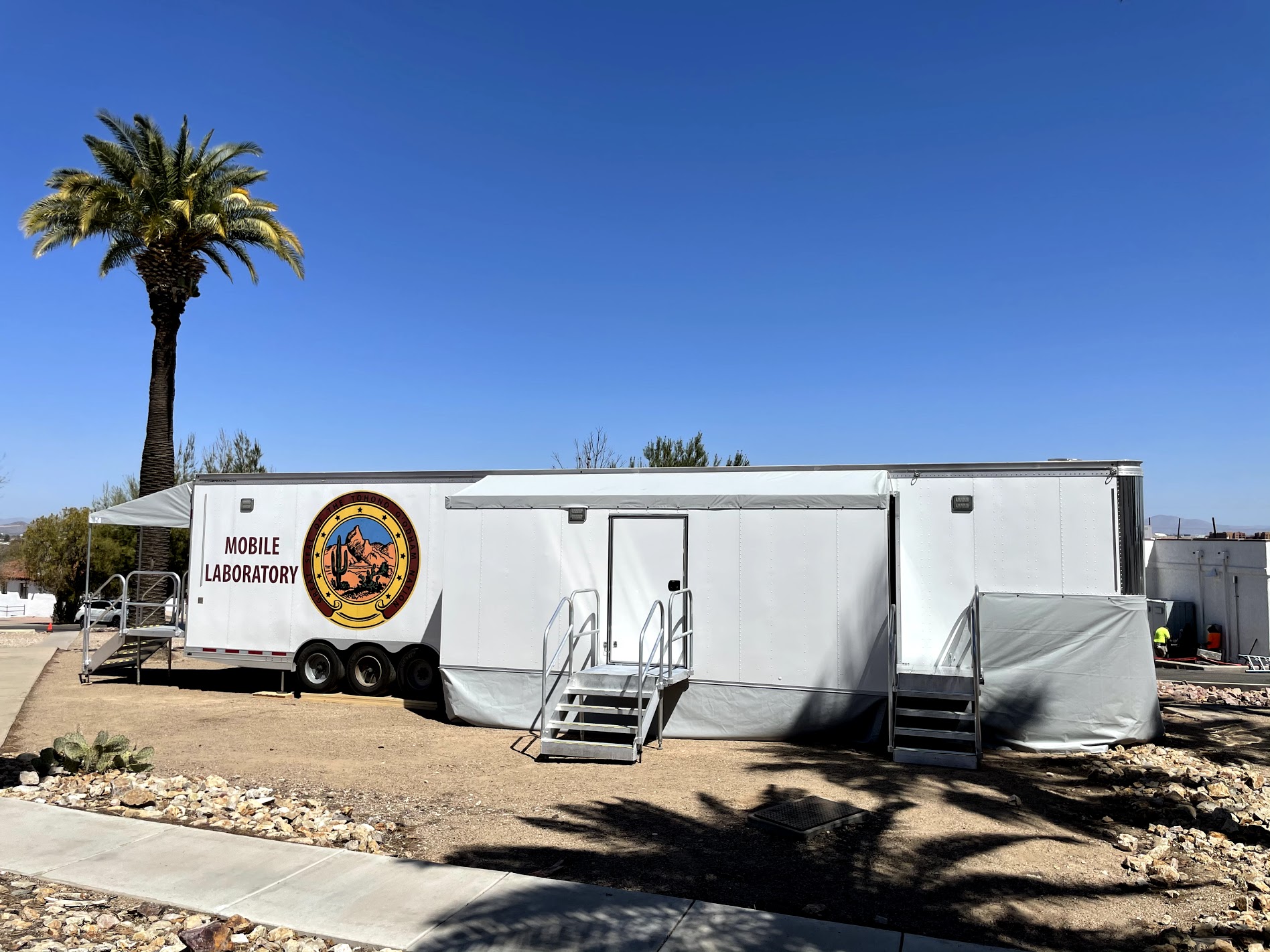
Geographic and location-based challenges are some of the main contributors to healthcare inaccessibility. Mobile health clinics are an important resource for underserved populations who may not otherwise be able to access clinics due to their distance. Arranging and navigating this commute to access healthcare can be difficult and at times overwhelming for patients. However, Tulane researchers found that “according to a 20-year study, patients who sought care at mobile health clinics reported feeling more empowered to navigate the broader healthcare systems’ complex medical scheduling and billing processes”. Mobile clinics can raise the confidence of patients and give them an easier way to seek needed care that they wouldn’t have sought out originally.
Residential location contributes to this lack of access, especially because more rural individuals may experience economic or medical vulnerability as well as geographical isolation. Geographic accessibility becomes a challenge when there is a large travel time between the user and the needed service, meaning that more money and time are spent on traveling, which can become a barrier to care especially in times of financial struggle. Mobile healthcare facilities are ideal in these situations as they can provide a wide variety of essential health services. “By incorporating these advanced solutions, medical practitioners can effectively bridge the gap and ensure that vital healthcare reaches even the most challenging-to-access areas,” MedsNews researchers shared in a 2020 article. These mobile clinics bring services that were once unreachable or difficult to access to the communities that need them. “For many people access to these mobile clinics and teams may be their only source of health care [and] the demand for mobile units keeps rising,” The World Health Organization shared. The impact mobile units can have is life-changing for those who need closer healthcare services.
Geographical location plays a major role in how easily patients can acquire care, making mobile medical units extremely important in communities like these. Mobile Healthcare Facilities provides the ideal first step to solve these issues, with highly remote mobile units that can be designed to your community’s own specific needs. We have a conversation about your unique needs to help provide actionable solutions. Contact us to speak to a MHCFAC sales associate today.