What are mobile mental health clinics?
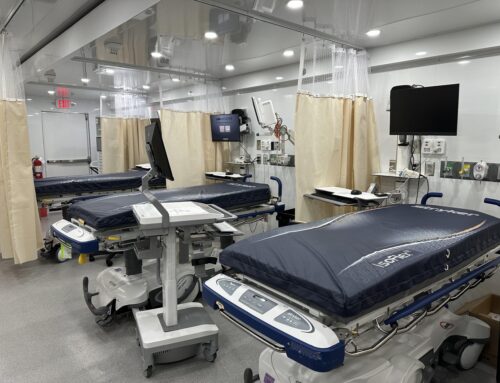
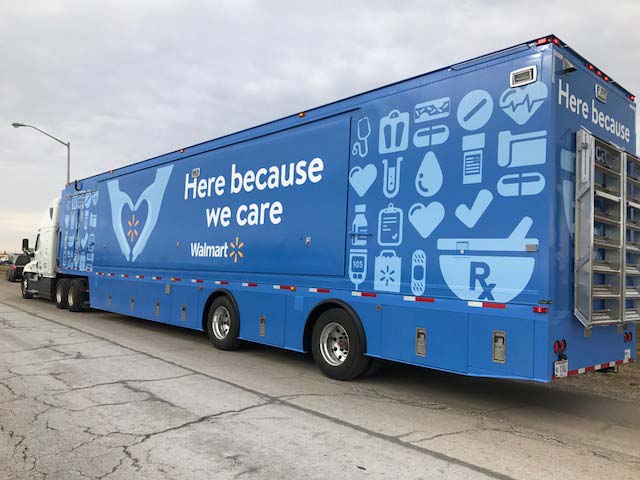
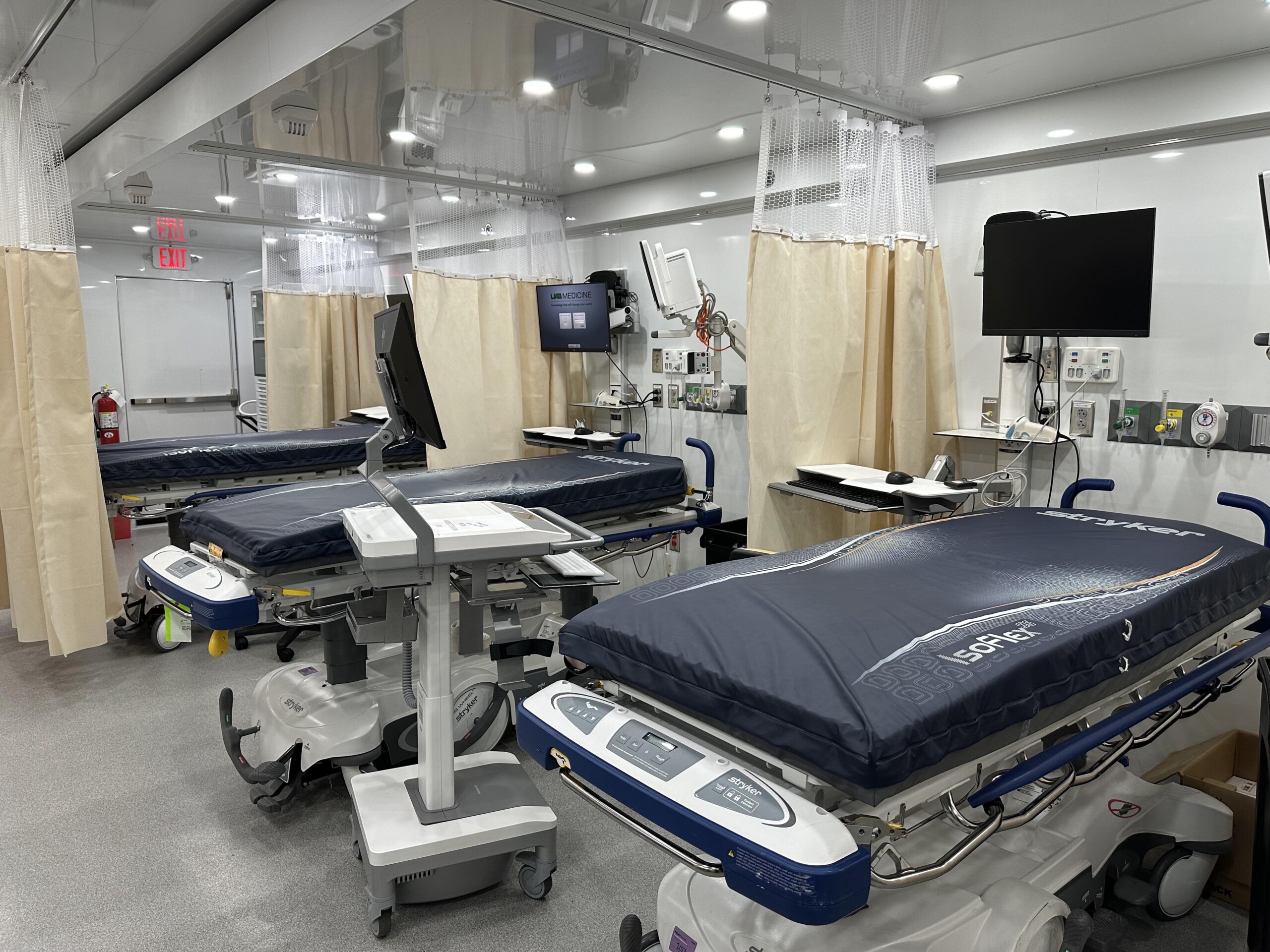
Mobile mental health clinics are fully mobile, easy to transport medical units that provide a solution for mental healthcare needs in areas that may not have easy access to that care. Rural and remote areas in America can especially benefit from this access.
What challenges do rural patients face in seeking mental health care?
A wide variety of challenges regarding mental health impact rural patients, including an increased likelihood of depression and suicide compared to urban counterparts, shame for seeking care, and logistical barriers.
1. Increased Likelihood of Depression
Unfortunately, rural communities face risk factors that can heighten their chance of depression. A PubMed study on rural and urban populations found that “the prevalence of depression is slightly but significantly higher in residents of rural areas compared to urban areas, possibly due to differing population characteristics”. This discrepancy is important, considering that rural patients also face unique and challenging barriers to mental health care.
2. Shame Around Seeking Help
Shame surrounding mental health care is another challenge that individuals living in rural America face. The National Alliance on Mental Illness (NAMI) found that there is often a sense of shame and lack of support for their mental health struggles, with these issues occurring more for their rural areas than for their urban counterparts. These challenges can discourage them from seeking mental health care and prevent them from getting the help they need.
3. Logistical Issues
Even after deciding to get help despite shame, there are multiple logistical barriers to accessing care in rural areas for people with SMI (serious mental illness). According to NAMI, these barriers include “difficulty finding or affording transportation; lack of reliable childcare; economic disparities impacting those with SMI such as homelessness or low-paying jobs; and issues with broadband”. These issues make it even harder to seek help.
How can mobile medical units help to solve the rural mental health crisis?
With the help of mobile mental healthcare units, rural Americans can focus on seeking care with significantly less barriers. These mobile units bring mental health care or other types of medical care directly to communities who need it. When services are not easily accessible, patients must consider the cost of travel, getting time off work, and sometimes even spending hours to reach their destination, all while already feeling unsure or even ashamed to make the appointment. Mobile healthcare facilities allow patients to face their issues head-on and easily access care without facing those extra hurdles along their way.
What services do mobile mental health units provide?
Mobile mental healthcare units can provide a variety of services and can benefit rural areas. These services may include “crisis intervention, case management, individual and family therapy, suicide prevention, patient education, peer support, medication management” and even primary care services. These services can be extremely helpful for rural patients and improve their comfort throughout the process.
Psychiatric patients may benefit from mobile healthcare. Researchers from Yale University School of Medicine found that one Mobile Outreach and Crisis Services unit was able to decrease psychiatric symptoms in patients and improve their global functioning. Global functioning refers to a person’s psycological, social, and occupational functioning. This is just one example of mobile healthcare units improving psychiatric health, and these units are commonly used to help these individuals improve their mental health and day-to-day functioning.
Our Experience in the Mobile Medical Industry
Mobile Healthcare Facilities has extensive experience creating high quality mobile units. For example, we created a combination facility for both dental and mental health for the U.S. Government. Using this facility, Immigrations and Customs Enforcement provided immigrants with a place to receive mental healthcare. Many of these immigrant patients dealt with mental health challenges during their travel to the United States, so it was crucial to provide a place for them to recieve this care.
With the help of Mobile Healthcare Facilities, you can curate a facility with whatever services your community needs. Learn more about the difference mobile healthcare facilities could make for you by contacting sales@mhcfac.com or calling (678)-232-4316.